
Got a Question? I’m here for you!

What is acupuncture?

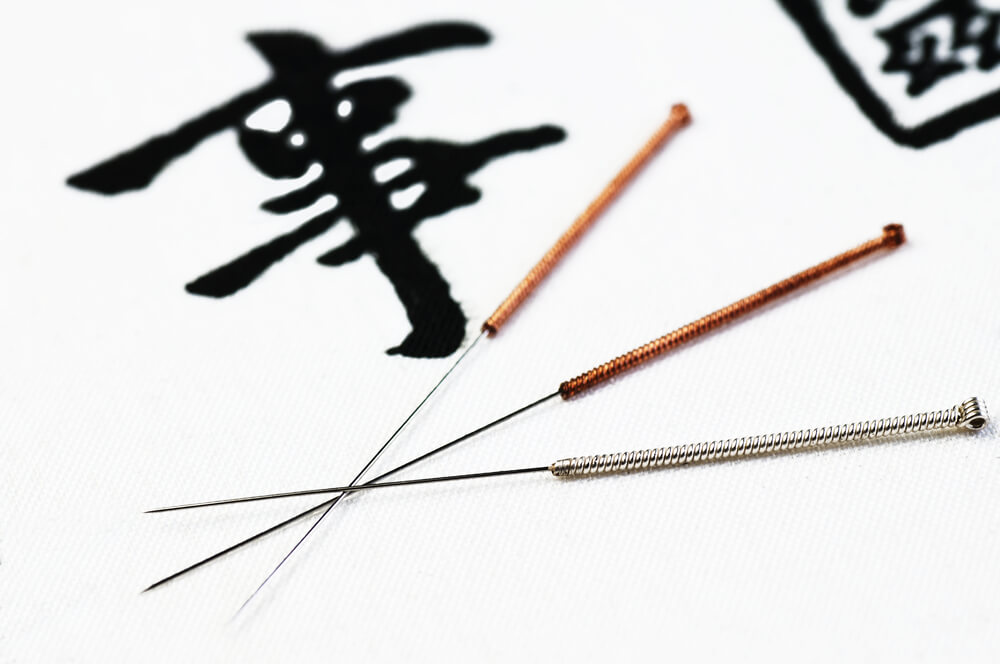
Acupuncture is a form of Traditional Chinese Medicine that has been practised for thousands of years. It involves the insertion of very fine, sterile needles into specific points on the body to support the flow of energy (Qi), encourage circulation, calm the nervous system and activate the body’s natural healing responses.

Modern research shows acupuncture influences the nervous system, hormones, blood flow and immune function, making it a powerful complementary therapy for many health concerns.

How does acupuncture work?
Is acupuncture safe?

Yes. Acupuncture is extremely safe when performed by a qualified practitioner. I use single-use, sterile needles and adhere to strict infection control standards.

Acupuncture is safe during pregnancy when performed by an experienced practitioner.

Does acupuncture hurt?

Acupuncture needles are extremely fine — much thinner than injection needles. Most people feel little to no pain. You may notice a dull ache, warmth, heaviness or tingling sensation, which is a positive sign the body is responding.

Many clients find treatments deeply relaxing, with some even falling asleep during sessions.

What conditions can acupuncture help with?

I have a special interest in women’s health and offer support for:

  • Fertility and IVF support

  • Hormonal imbalances and menstrual irregularities

  • Endometriosis and PCOS

  • Pregnancy support and preparation for birth

  • Menopause and perimenopause

  • Stress, anxiety and burnout

  • Cancer support and recovery (including side-effect management)

  • Digestive issues, pain and fatigue

Acupuncture is suitable for people of all ages and can be safely used alongside conventional medical treatment.

What happens in an acupuncture session?

Your first appointment includes a detailed consultation about your health history, current concerns, lifestyle and goals. Your treatment will be completely tailored to you.

You will then relax on the treatment table while needles are gently inserted. They usually remain in place for around 20–30 minutes while your body rests and resets.

How many treatments will I need?

This varies depending on your condition and how long it has been present.

  • Acute issues may improve in a few sessions.

  • Chronic or hormonal conditions usually require a series of treatments.

  • Fertility and menopause support are often most effective when acupuncture is received regularly over several months.

We will discuss a realistic treatment plan at your first visit.


Is acupuncture safe?

Yes. Acupuncture is extremely safe when performed by a qualified practitioner. I use single-use, sterile needles and adhere to strict infection control standards.

Acupuncture is safe during pregnancy when performed by an experienced practitioner.


Can acupuncture be used alongside medical treatment?

Absolutely. Acupuncture works beautifully alongside Western medicine and does not interfere with medications or medical procedures. Many clients choose acupuncture to support IVF, surgery recovery, cancer treatment side-effects or ongoing health conditions.


What should I do before and after my appointment?

Before your session:

  • Eat a light meal within a few hours

  • Avoid arriving overly hungry or straight after intense exercise

After your session:

  • Drink plenty of water

  • Take things gently if you feel relaxed or tired

  • Notice any changes in your body, sleep or mood


How will I feel after treatment?

You may feel deeply calm, energised, emotional, or simply more balanced. These are all normal responses as your body integrates the treatment.


Do I need a referral?

No referral is needed. You are welcome to book directly.


If you have any further questions, please feel free to get in touch — I’m always happy to help.

add does acupuncture work

Here is an additional FAQ section you can insert:


Does acupuncture really work?

Yes — and not just anecdotally. Modern research shows that acupuncture has measurable effects on the nervous system, blood flow, inflammation, hormone regulation and stress response.

Acupuncture has been shown to:

  • Calm the nervous system and reduce stress hormones

  • Improve circulation to key organs, including the reproductive system

  • Support hormonal balance and menstrual regularity

  • Reduce pain and inflammation

  • Improve sleep, mood and energy levels

For fertility, pregnancy, menopause and cancer support, acupuncture is widely used alongside conventional medicine to improve wellbeing and quality of life.

While every person’s response is individual, many clients notice meaningful changes in how they feel — physically and emotionally — within just a few sessions.

Can acupuncture be used alongside conventional medicine?

Absolutely. Acupuncture works beautifully alongside Western medicine and does not interfere with medications or medical procedures. Many clients choose acupuncture to support IVF, surgery recovery, cancer treatment side-effects or ongoing health conditions.

What should I do before and after my appointment?

Before your session:

  • Eat a light meal within a few hours

  • Avoid arriving overly hungry or straight after intense exercise

After your session:

  • Drink plenty of water

  • Take things gently if you feel relaxed or tired

  • Notice any changes in your body, sleep or mood


How will I feel after treatment?

You may feel deeply calm, energised, emotional, or simply more balanced. These are all normal responses as your body integrates the treatment.


Do I need a referral?

No referral is needed. You are welcome to book directly.


If you have any further questions, please feel free to get in touch — I’m always happy to help.

add does acupuncture work

Here is an additional FAQ section you can insert:


Does acupuncture really work?

Yes — and not just anecdotally. Modern research shows that acupuncture has measurable effects on the nervous system, blood flow, inflammation, hormone regulation and stress response.

Acupuncture has been shown to:

  • Calm the nervous system and reduce stress hormones

  • Improve circulation to key organs, including the reproductive system

  • Support hormonal balance and menstrual regularity

  • Reduce pain and inflammation

  • Improve sleep, mood and energy levels

For fertility, pregnancy, menopause and cancer support, acupuncture is widely used alongside conventional medicine to improve wellbeing and quality of life.

While every person’s response is individual, many clients notice meaningful changes in how they feel — physically and emotionally — within just a few sessions.

Does acupuncture really work?

Yes — and not just anecdotally. Modern research shows that acupuncture has measurable effects on the nervous system, blood flow, inflammation, hormone regulation and stress response.

Acupuncture has been shown to:

  • Calm the nervous system and reduce stress hormones

  • Improve circulation to key organs, including the reproductive system

  • Support hormonal balance and menstrual regularity

  • Reduce pain and inflammation

  • Improve sleep, mood and energy levels

For fertility, pregnancy, menopause and cancer support, acupuncture is widely used alongside conventional medicine to improve wellbeing and quality of life.

While every person’s response is individual, many clients notice meaningful changes in how they feel — physically and emotionally — within just a few sessions.

How will I feel after treatment?

You may feel deeply calm, energised, emotional, or simply more balanced. These are all normal responses as your body integrates the treatment.


Do I need a referral?

No referral is needed. You are welcome to book directly.


How long does a typical treatment last?

Please allow up to 90 minutes for an initial appointment and approximately 6o minutes for follow-up visits.

Acupuncture needles are generally retained for 20–30 minutes, depending on your individual needs and the condition being treated.

Can I use my private health insurance for acupuncture treatments?

Yes, acupuncture is covered by private health insurance funds when provided by a registered practitioner. The level of rebate will depend on your individual policy.

I am registered with all major private health insurers, and the clinic has a HICAPS machine, allowing you to claim your rebate at the time of payment.

If you would like to check your rebate amount in advance, the item codes are:

  • 103 – Initial consultation

  • 203 – Follow-up consultation

Are there any risks or side effects of acupuncture?

Acupuncture is generally very safe when performed by a qualified and experienced practitioner. Most side effects are uncommon, mild and short-lived, but may include:

  • Soreness or bruising.

You may occasionally notice mild tenderness, bruising or a tiny drop of blood at a needle site. This usually resolves quickly.

  • Fatigue or drowsiness
    Some people feel deeply relaxed or a little tired after treatment. It’s a good idea to take things gently for the rest of the day.
  • Dizziness or light-headedness
    This is rare but can occur, particularly after lying down for a period of time and then standing up quickly. A brief rest and a glass of water usually resolves this. Always let your practitioner know if you feel unwell at any point.
  • Burns
    Heat lamps are often used during treatment to gently warm and relax areas such as the abdomen, back or feet. You will be given a buzzer so you can alert me immediately if the lamp feels too warm, and it can be moved further away.
  • Infection
    As acupuncture needles breach the skin barrier, there is a small risk of infection. To minimise this, I use single-use sterile needles and clean the skin with alcohol swabs before insertion.
  • Pneumothorax (collapsed lung)
    There is a very small risk when needling over the chest. This complication is extremely rare and is most often associated with unregistered or inadequately trained practitioners. Your safety is always prioritised through careful technique and anatomical knowledge.


If you have any concerns before or during your treatment, please feel free to discuss them — your comfort and wellbeing are paramount.

Can acupuncture help with stress and anxiety?

Yes. Acupuncture is widely used to support the nervous system and many people find treatments deeply calming.

By helping to regulate the stress response, acupuncture can:

  • Promote relaxation and better sleep

  • Reduce feelings of overwhelm, anxiety and mental fatigue

  • Support emotional balance during times of change or challenge

  • Improve resilience to ongoing stress

Many clients describe leaving their sessions feeling lighter, calmer and more grounded, with benefits building over time with regular treatment.

How does acupuncture work?

While research is ongoing, we now understand that acupuncture works through several interconnected pathways in the body.

Stimulation of endorphins
Acupuncture can trigger the release of endorphins — the body’s natural pain-relieving and mood-enhancing chemicals — helping to reduce discomfort and promote a sense of wellbeing.

Modulation of neurotransmitters
Treatment may influence key brain chemicals such as serotonin and dopamine, which play an important role in mood regulation, sleep and stress response.

Regulation of Qi and energy flow
In Traditional Chinese Medicine, acupuncture is used to balance the flow of Qi (vital energy) throughout the body. By stimulating specific points, acupuncture helps clear stagnation and restore harmony, supporting the body’s innate healing capacity.

Neurovascular and microcirculatory effects
Acupuncture also affects the nervous system and blood circulation. It can stimulate nerve fibres, improve microcirculation, and increase blood flow to targeted areas, assisting tissue repair and reducing inflammation.

Together, these effects help explain why acupuncture can have such wide-ranging benefits — from pain relief