

Fertility Acupuncture Brisbane Northside
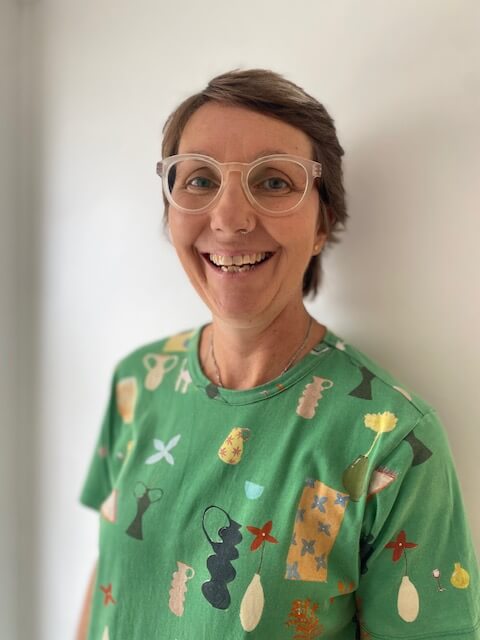
Evidence-informed fertility acupuncture on Brisbane’s Northside.
Navigating your journey with fertility acupuncture on Brisbane’s Northside can provide the compassionate support you need during a deeply emotional and physically demanding experience. Whether you are conceiving naturally or through IVF, many individuals and couples face challenges such as irregular cycles, hormonal imbalances, stress, or unexplained infertility. At my Chermside West clinic, I understand how the pressure to conceive can become overwhelming, often leaving you feeling disconnected from your body and the joy of the process.
Nurturing your body and mind is an essential foundation for successful conception. Through a gentle, evidence-informed approach to fertility acupuncture, I work to address the underlying causes of imbalance while supporting your overall well-being. Drawing on my extensive experience as a midwife, my treatments are designed to help regulate hormones, improve reproductive health, and restore emotional harmony, providing a holistic and knowledgeable pathway to parenthood.
How acupuncture can support fertility
♥ Regulating the menstrual cycle
A key benefit of acupuncture for fertility is its ability to support regular and healthy menstrual cycles. Irregular or painful periods, or conditions such as endometriosis, adenomyosis, amenorrhea, and polycystic ovary syndrome (PCOS) all impact fertility. Acupuncture works to balance hormones, improve circulation, and regulate ovulation, helping to create more predictable and fertile cycles. By addressing underlying factors such as stress, hormonal imbalance, and disrupted blood flow, acupuncture supports the body’s natural rhythm and enhances reproductive health.
♥ Improving ovarian function and egg quality
Egg quality is an important factor in fertility. Acupuncture may support ovarian function by improving blood flow to the ovaries, helping to nourish follicles and encourage healthy egg development. Research suggests that acupuncture can enhance ovarian response, which may be particularly beneficial for women experiencing fertility challenges related to age or underlying health conditions.
♥ Optimising the uterine lining
A healthy uterine lining is essential for successful implantation. Acupuncture can help increase blood flow to the uterus, supporting a thicker, more receptive endometrial lining for a fertilised embryo. By addressing underlying imbalances in the body, acupuncture helps create optimal conditions for conception.
♥ Reducing stress and anxiety
Stress is a major factor that can affect fertility. The pressure to conceive can create a cycle of stress and anxiety that disrupts hormonal balance. Acupuncture is well known for its calming effects, helping to release endorphins and reduce the stress hormone cortisol. By promoting relaxation and emotional well-being, acupuncture supports the body in focusing on fertility and conception.
Research also suggests that acupuncture can positively influence mental health during the preconception period, improving mood and reducing symptoms of anxiety and depression.
♥ Supporting male fertility
While research into male fertility is not as extensive as on female fertility, emerging evidence suggests that acupuncture can support reproductive health. Acupuncture may improve sperm count, motility, and morphology, and reduce oxidative stress, a key factor in sperm damage.
Stress can negatively affect sperm production, and acupuncture promotes relaxation, reduces cortisol levels, and supports emotional well-being. Traditional Chinese Medicine views male fertility as closely linked to overall health, so acupuncture alongside lifestyle and dietary support can improve sleep, energy, digestion, and reduce the impact of toxins, creating optimal conditions for conception.
Acupuncture for IVF and Embryo Transfer Support
Undergoing an IVF cycle is a significant emotional and financial commitment. As a registered acupuncturist, I provide evidence-informed support to help optimize your environment for a successful embryo transfer at my Brisbane Northside clinic.
The day of an embryo transfer can be one of the most stressful points in the entire fertility journey. My goal is to provide a calm, nurturing space where we can focus on both the physical and emotional aspects of the procedure.
Optimising Your Transfer Day
Research suggests that acupuncture performed on the day of embryo transfer—both before and after the procedure—can be highly beneficial. This specific protocol aims to:
- Increase Blood Flow: Enhancing circulation to the uterine lining to support receptivity and successful implantation.
- Reduce Uterine Cramping: Helping the uterus remain relaxed and calm during and after the transfer process.
- Manage Stress and Anxiety: Activating the parasympathetic nervous system to lower cortisol levels, helping you feel more grounded and supported on this pivotal day.
Fertility Acupuncture FAQ's
1. When is the best time to start acupuncture for fertility?
Ideally, it is recommended to start acupuncture approximately three months before you plan to conceive—whether naturally or via IVF. This 90-day window allows us to support the full cycle of egg maturation and optimize the uterine environment. However, acupuncture is beneficial at any stage of your journey, and it is never “too late” to start supporting your reproductive health.
2. Can acupuncture help if I am undergoing IVF or IUI?
Yes, absolutely. Many patients at my Brisbane Northside clinic use acupuncture specifically to support their IVF or IUI cycles. Clinical research suggests that acupuncture can help improve blood flow to the ovaries and uterus, and it is widely used on the day of embryo transfer to support implantation and reduce the stress often associated with fertility treatments.
3. How many sessions will I need?
Every woman’s journey is unique. Generally, I recommend weekly treatments to support the different hormonal phases of your menstrual cycle. During your initial consultation at my Chermside West clinic, we will discuss a tailored plan based on your specific history, goals, and any upcoming medical treatments.
4. Is fertility acupuncture safe?
Yes. Fertility acupuncture is a gentle, non-invasive therapy. With my background as a midwife and specialised training in reproductive medicine, I prioritise your safety and comfort. I only use sterile, single-use needles in a calm, nurturing environment designed to lower cortisol levels and support your body’s natural rhythm.
5. Is acupuncture beneficial on the day of an embryo transfer?"
Yes. Research suggests that acupuncture performed both before and after an embryo transfer can be beneficial. This protocol aims to increase blood flow to the uterine lining to support receptivity, reduce uterine cramping, and manage the stress and anxiety often associated with transfer day.
6. What happens at my first fertility acupuncture appointment?
Your first appointment is an in-depth consultation where I take the time to understand your health, cycle, and fertility journey as a whole.
We’ll talk through your menstrual cycle, symptoms, medical history, and any testing you may have had, as well as factors like sleep, stress, and digestion. This helps build a clear picture of what your body needs to support hormonal balance and fertility.
Your acupuncture treatment is then tailored specifically to you. Treatments are generally very relaxing, with most people feeling calm and settled during and after their session.
Where appropriate, guidance around nutrition and lifestyle may also be offered to support your results. This can include simple, food-based approaches—such as using seeds to support hormone balance and oestrogen levels such as using seeds to support hormone balance and oestrogen levels..
Follow-up sessions are usually recommended to build consistency and support your cycle over time.
References
1. Li, Q. Q., Shi, G. X., Xu, Q., Wang, J., Liu, C. Z., & Wang, L. P. (2013). Acupuncture effect and central autonomic regulation. *Evidence-Based Complementary and Alternative Medicine*, 2013, 267959. doi:10.1155/2013/267959
2. Hullender Rubin, L. E., Opsahl, M. S., Wiemer, K. E., Mist, S. D., & Caughey, A. B. (2015). Impact of whole systems traditional Chinese medicine on in-vitro fertilization outcomes. *Reproductive Biomedicine Online*, 30(6), 602-612. doi: 10.1016/j.rbmo.2015.02.005
3. Paulus, W. E., Zhang, M., Strehler, E., El-Danasouri, I., & Sterzik, K. (2002). Influence of acupuncture on the pregnancy rate in patients who undergo assisted reproduction therapy. *Fertility and Sterility*, 77(4), 721-724. doi: 10.1016/s0015-0282(01)03273-3
4. Westergaard, L. G., Mao, Q., Krogslund, M., et al. (2006). Acupuncture on the day of embryo transfer significantly improves the reproductive outcome in infertile women: A prospective, randomized trial. *Fertility and Sterility*, 85(5), 1341-1346. doi: 10.1016/j.fertnstert.2005.08.070
5. Rooney, K. L., & Domar, A. D. (2018). The relationship between stress and infertility. *Dialogues in Clinical Neuroscience*, 20(1), 41–47. doi: 10.31887/DCNS.2018.20.1/klrooney
6. Boivin, J., Griffiths, E., & Venetis, C. A. (2011). Emotional distress in infertile women and failure of assisted reproductive technologies: meta-analysis of prospective psychosocial studies. *BMJ*, 342, d223. doi:10.1136/bmj.d223
7. Miller, N., Herzberger, E. H., Pasternak, Y., et al. (2019). Does stress affect IVF outcomes? A prospective study of physiological and psychological stress in women undergoing IVF. *Reproductive Biomedicine Online*, 39(1), 93-101. doi: 10.1016/j.rbmo.2019.01.012
8. Smith, C. A., de Lacey, S., Chapman, M., et al. (2019). The effects of acupuncture on the secondary outcomes of anxiety and quality of life for women undergoing IVF: A randomized controlled trial. *Acta Obstetricia et Gynecologica Scandinavica*, 98, 460-469.