
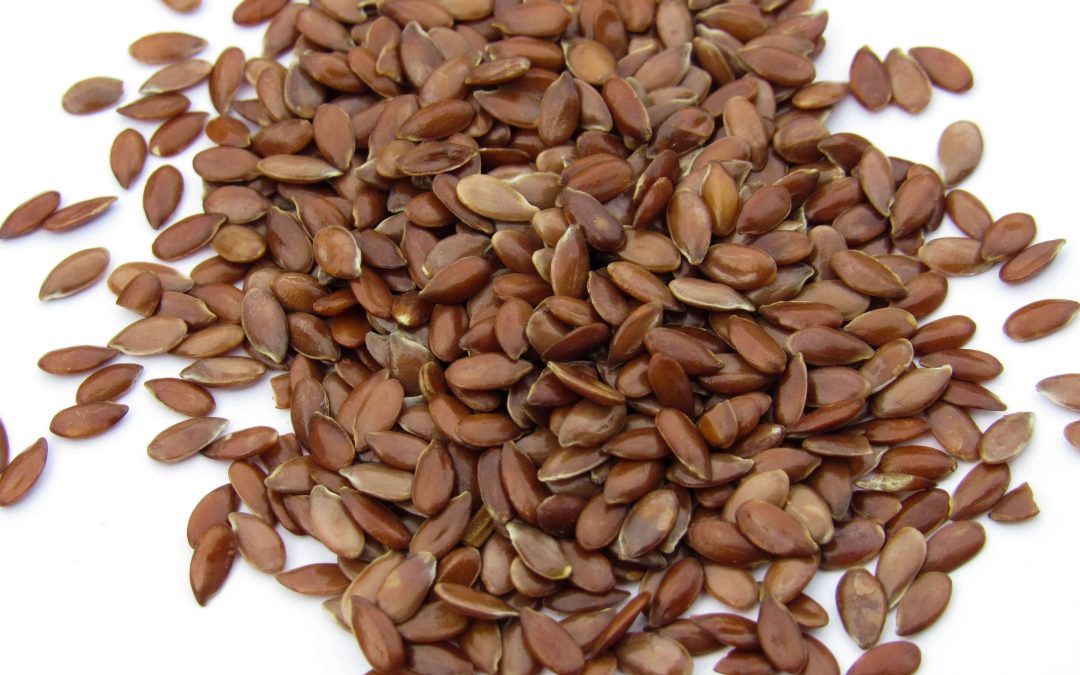
Seeds for fertility can support hormone balance by providing essential nutrients, healthy fats, and plant compounds known as phytoestrogens. Seeds such as flax, pumpkin, sunflower, and sesame may help regulate oestrogen levels, support ovulation, and improve overall reproductive health. Often used in seed cycling, these foods offer a gentle, natural way to support fertility when consumed consistently as part of a balanced diet.
When it comes to supporting fertility and hormonal balance, the simplest changes are often the most powerful. One of the most accessible ways to nourish the body is through food — and seeds, in particular, offer a gentle yet effective way to support healthy oestrogen levels and reproductive function.
Rich in essential fatty acids, fibre, and key nutrients, seeds can help regulate hormones, support ovulation, and create a more balanced internal environment for conception.
🌼 Why Oestrogen Matters for Fertility
Oestrogen plays a central role in the menstrual cycle. It supports:
- Follicle development (the maturation of eggs)
- Thickening of the uterine lining for implantation
- Production of fertile cervical mucus
- Regulation of the cycle overall
When oestrogen is too low, cycles may feel irregular, ovulation may be delayed, and cervical mucus may be reduced — all of which can impact fertility.
🌿 How Seeds Support Hormonal Balance
Certain seeds contain compounds known as phytoestrogens, which are plant-based substances that can gently support the body’s natural oestrogen activity.
They also provide:
- Healthy fats → essential for hormone production
- Fibre → supports detoxification and hormone clearance
- Minerals like zinc and magnesium → important for reproductive health
Rather than forcing the body, seeds work in a subtle, nourishing way — supporting balance over time.
🌼 The Best Seeds for Fertility Support
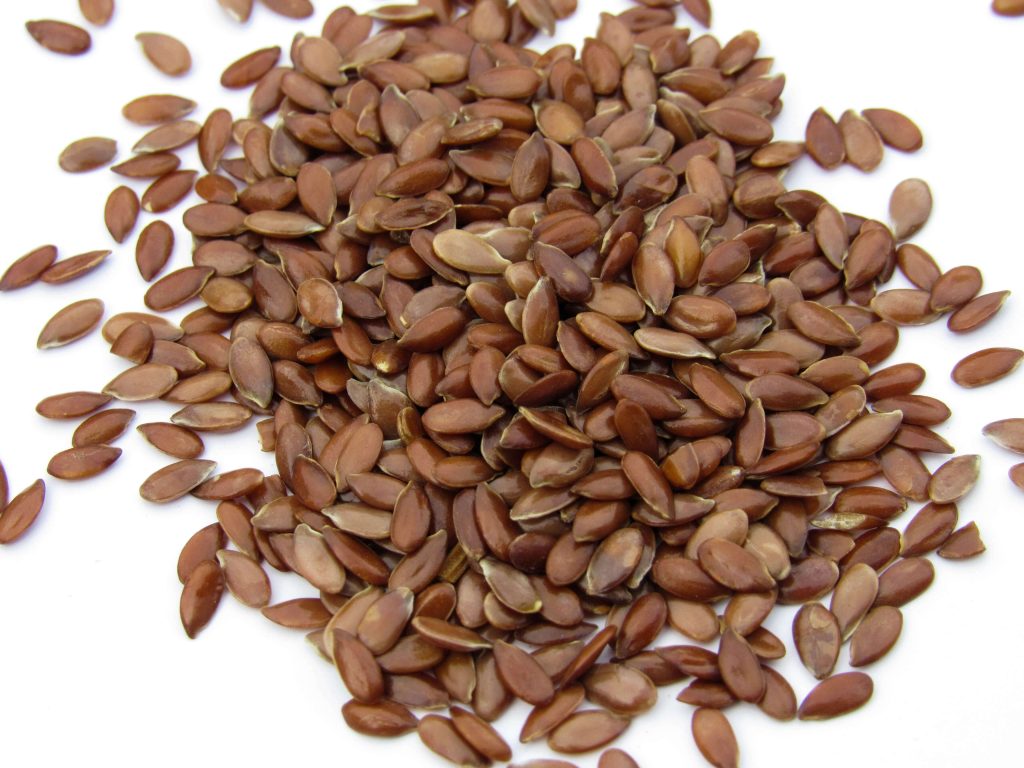
Flaxseeds/Linseeds (two names for the same seed)
Flaxseeds are one of the richest sources of phytoestrogens (lignans), making them particularly supportive for increasing or balancing oestrogen levels.
They may help:
- Improve cycle regularity
- Support uterine lining health
- Promote healthy hormone metabolism
👉 Best taken ground for better absorption
Pumpkin Seeds
High in zinc, pumpkin seeds are especially helpful in the first half of the cycle (follicular phase), supporting egg development and ovulation.
They also:
- Support progesterone production later in the cycle
- Nourish the reproductive system overall
Sunflower Seeds
Sunflower seeds are rich in vitamin E and selenium, supporting:
- Hormone balance
- Endometrial (uterine lining) health
- Overall reproductive function
Sesame Seeds
Another source of phytoestrogens, sesame seeds are often used to support hormonal balance, particularly in the second half of the cycle.
They may help:
- Support progesterone balance
- Regulate cycles
- Nourish the endocrine system
🌿 How to Prepare Seeds for Maximum Benefit
For seeds to be properly absorbed and utilised by the body, preparation matters.
- Flaxseeds should always be ground before consuming, as whole seeds often pass through undigested
- Pumpkin, sunflower, and sesame seeds can be eaten whole, but may be easier to digest when lightly soaked or freshly ground
- Soaking seeds (for a few hours or overnight) can help reduce compounds that inhibit mineral absorption and improve nutrient availability
Taking a few moments to prepare your seeds can significantly improve how much your body is able to benefit from them.
🌿 What Is Seed Cycling?
Seed cycling is a gentle, food-based approach where specific seeds are eaten at different phases of the menstrual cycle:
- Days 1–14 (follicular phase):
Flaxseeds + pumpkin seeds - Days 15–28 (luteal phase):
Sunflower seeds + sesame seeds
This approach is thought to support the natural rise and fall of oestrogen and progesterone throughout the cycle.
🌼 How to Use Seeds Daily
- Add ground or soaked seeds to smoothies, oats, or yoghurt
- Sprinkle over salads or meals
- Blend into seed mixes or pastes
Aim for 1–2 tablespoons daily, focusing on consistency over time.
🌿 A Gentle, Supportive Approach
While seeds can be a beautiful addition to your routine, they work best as part of a broader approach to fertility and hormonal health — including nutrition, stress support, and regulating the nervous system.
At my acupuncture clinic, I often combine dietary support with acupuncture to help regulate cycles, support ovulation, and create a more balanced foundation for conception.
🌼 When to Seek Support
If you’re experiencing:
- Irregular cycles
- Low cervical mucus
- Hormonal symptoms
- Difficulty conceiving
It can be helpful to receive individualised support.
🌿 Supporting Your Fertility Naturally
If you’re looking for support with fertility or hormonal balance, acupuncture offers a gentle and effective way to regulate the body and support your reproductive health.
🌿 Book your fertility consultation and acupuncture treatment now.